
Motivations
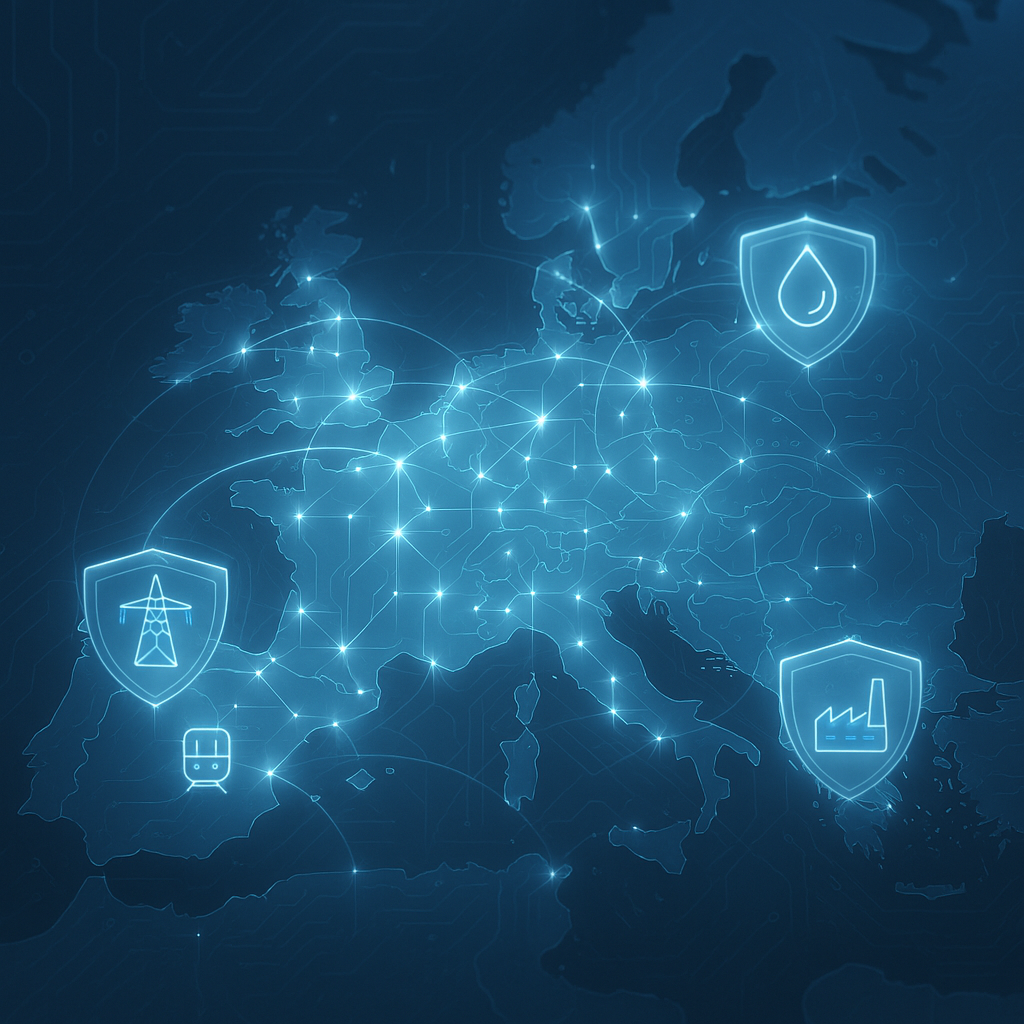
Europe’s critical infrastructure runs on Operational Technology (OT) systems that were never designed for today’s cyber threat landscape. AICOT exists to close that gap with a European-built, AI-powered, OT-native defense platform.
Critical infrastructures are exposed.
OT environments—energy, transport, water, manufacturing—face escalating cyber threats, but their security maturity lags behind IT
Europe needs sovereignty in cybersecurity
Heavy reliance on non-EU vendors creates lock-in and geopolitical risk. AICOT strengthens EU digital autonomy.
OT systems are fragile + legacy-heavy
Many operators run old protocols (Modbus, DNP3, PROFINET, IEC 61850) and equipment that can’t tolerate downtime
AI offers a step-change in cyber defense.
Generative + adversarial AI can detect zero-day and stealthy attacks before they escalate.
Current tools don’t fit OT reality
Existing solutions are mostly IT-centric, closed-source, and not explainable or adaptable to safety-critical environments.
Secure CTI sharing is still immature
There is no trusted, privacy-preserving way for operators to exchange OT-relevant threat intelligence.
Challenges
Building OT security isn’t like building an IT SOC. These are the obstacles standing between Europe and a resilient OT ecosystem.
OT is not IT
Strict uptime requirements, deterministic protocols, outdated devices, and vendor-specific quirks
CTI sharing is fragmented and sensitive.
Operators hesitate to share threat intel due to privacy, regulatory, and competitive concerns.
Lack of visibility into OT networks
Existing monitoring tools struggle with OT-specific telemetry and industrial communication patterns
High deployment cost + integration barriers
Many SMEs cannot afford complex OT security stacks; solutions must be modular and scalable.
AI models require domain-specific data
Scarcity of labelled OT datasets + need for synthetic/adversarial samples to simulate real attack scenarios
EU wants strategic autonomy.
Heavy reliance on foreign vendors threatens Europe’s supply chain and digital independence.
Objectives
- Build an AI-powered cybersecurity platform for OT.
- Provide proactive threat detection using generative and adversarial AI.
- Enable secure, privacy-preserving CTI sharing using blockchain.
- Validate the platform in real-world OT pilot scenarios (TRL 7–8).
- Reinforce EU digital sovereignty.
- Support adoption through training and dissemination.
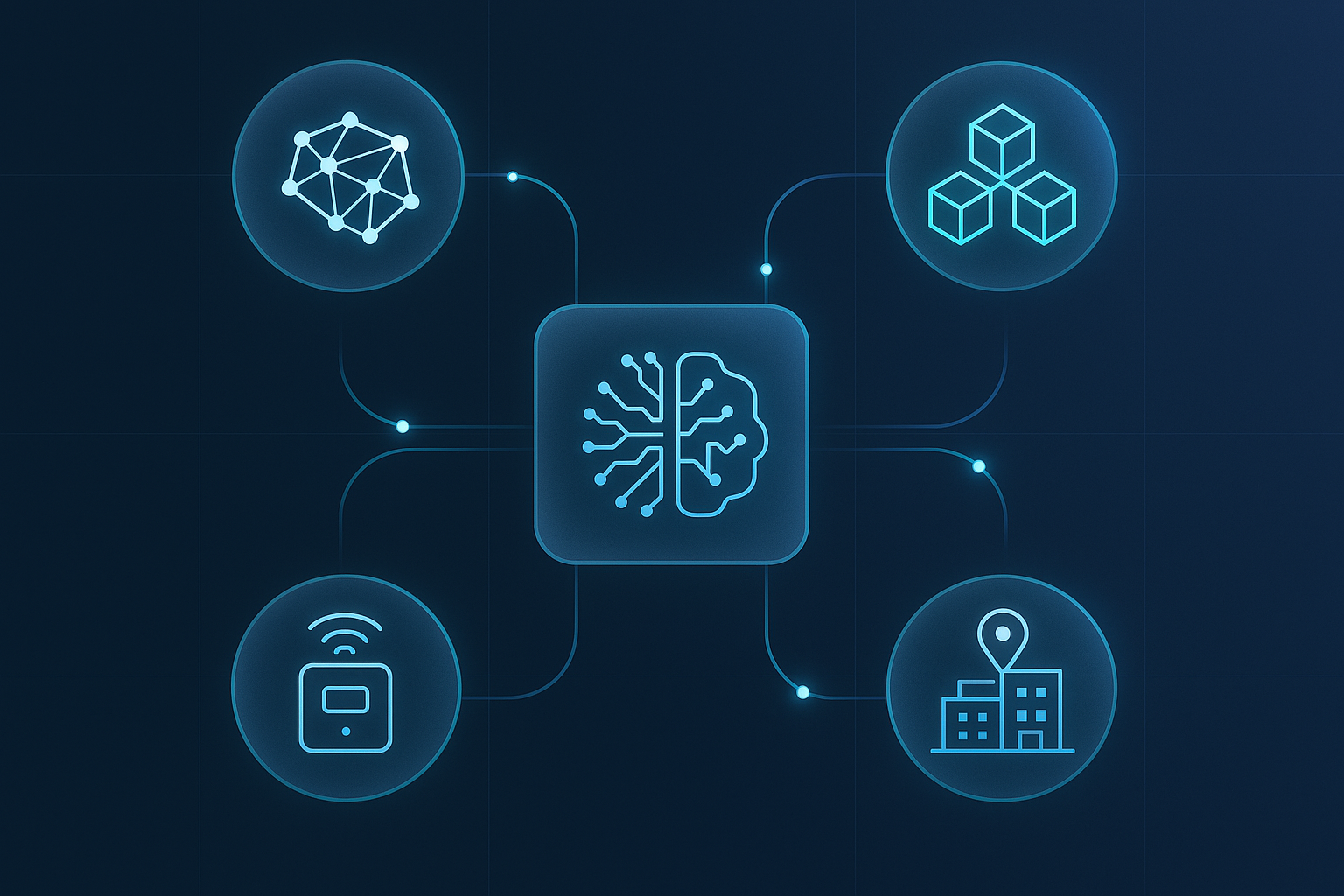
EU‑Native AI Platform for OT
Create a modular, scalable OT cybersecurity platform with monitoring, threat detection, and response.
Proactive Detection via AI
Develop AI models that detect zero‑day and stealth attacks tailored for OT.
Secure CTI Exchange
Blockchain‑backed CTI sharing enabling privacy, trust, auditability, and EU interoperability.
Pilot Deployments
Deploy and validate the platform in realistic OT pilot scenarios to reach TRL 7–8.
Strengthen EU Autonomy
Ensure technologies are EU‑native, interoperable, reusable, and aligned with EU standards.
Dissemination & Training
Promote adoption via workshops, publications, training, and community engagement.